



WHAT IS ARTISTIC GYMNASTICS?

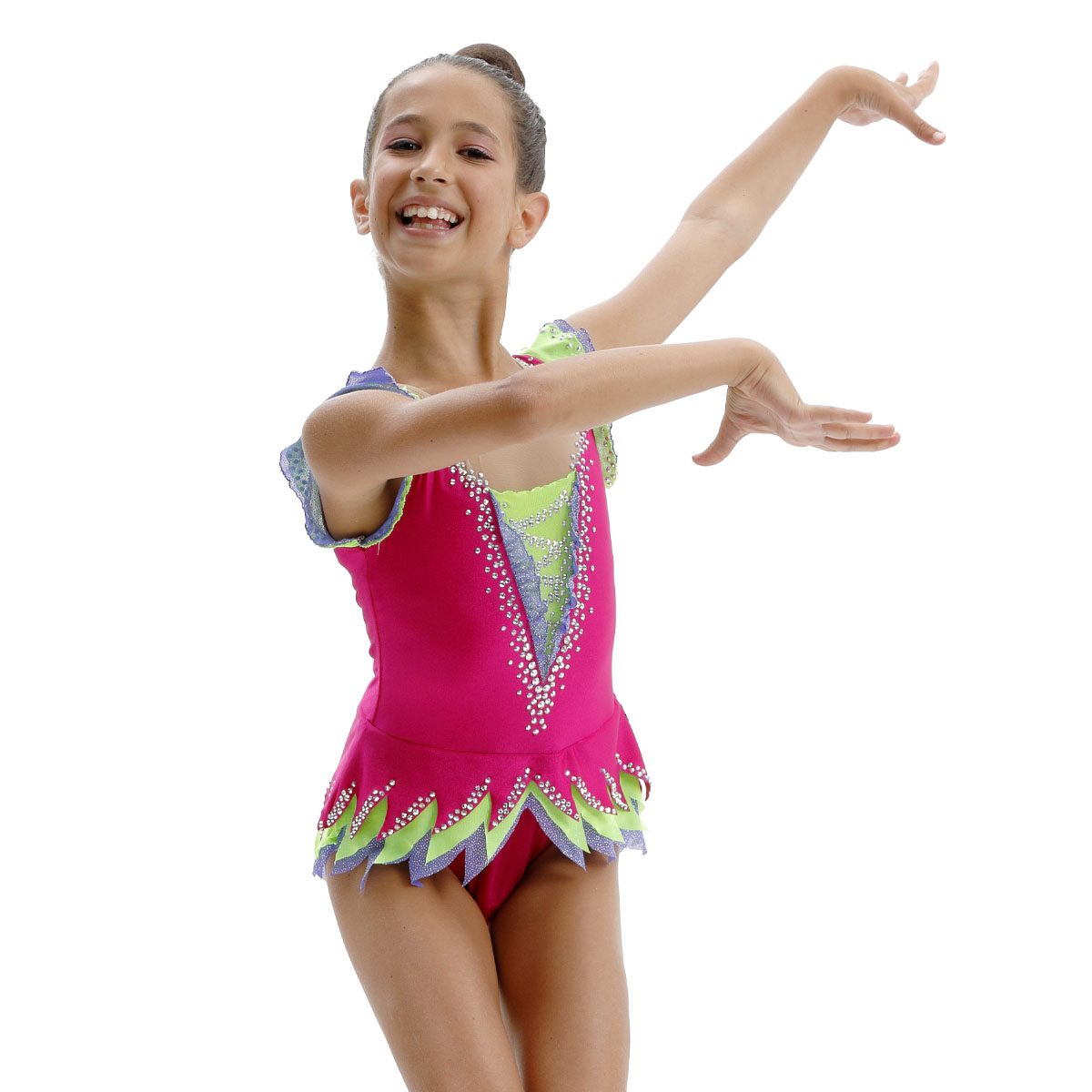
Artistic gymnastics is a sports discipline that combines strength, flexibility, agility and coordination in a series of complex movements performed on various apparatus and surfaces. It is one of the most spectacular sports, requiring years of training to reach new levels of competitiveness and excellence. Artistic gymnastics is practised by both men and women, although the equipment and routines used may differ.

WOMEN'S ARTISTIC GYMNASTICS

In women’s artistic gymnastics competitions, the main apparatuses are:

  1. Balance Beam: A thin beam elevated from the ground, on which the gymnasts perform a series of acrobatics, balancing and choreographic movements. Beam requires great concentration and control.
  2. Floor exercise: A choreographic routine performed on a spring floor. This routine is characterised by a combination of acrobatic elements and dance, performed in synchrony with the music.
  3. Vault: A series of acrobatic jumps performed through the use of a bouncing platform and a padded board called a ‘vaulting board’. Athletes demonstrate strength, power and precision in performing these jumps.
  4. Uneven bars: An apparatus used only in women’s artistic gymnastics. It consists of two parallel bars of different heights, on which the gymnasts perform rotational movements, swings and spectacular aerial movements.

MEN'S ARTISTIC GYMNASTICS

In men’s competitions, equipment includes:

  1. Rings: Athletes perform a series of acrobatics, strength and balance on suspended rings.
  2. High Bar: Athletes perform fluid and spectacular movements on a horizontal bar, demonstrating strength and control.
  3. Pommel horse: Athletes perform a series of circular and vertical movements on an apparatus with a metal body covered with foam rubber and leather, with plastic handles.
  4. Vault: Similar to the female gymnasts, the men also perform acrobatic jumping routines on vaulting boards.

Artistic gymnastics requires a combination of power, strength, flexibility and coordination. Athletes spend hours training daily to perfect their skills and master complex routines. The competitions are judged by a jury based on the criteria of execution, difficulty and artistry of the routines. High-level athletes achieve extraordinary levels of performance, which are displayed at Olympic events and world championships.

WHY TAKE UP ARTISTIC GYMNASTICS

Artistic gymnastics offers a diverse range of benefits for those who practice it:

Strengthening and Flexibility

Artistic gymnastics develops muscle strength and flexibility, contributing to body definition and agility.

Coordination and Accuracy

It improves body coordination and precision of movement, skills that positively influence other activities.

Mental Enhancement

The concentration required during performances improves attention and short-term memory.

Socialising

Team practice offers the opportunity to create social bonds and new friendships.

Continuous Learning

The variety of movements and figures promotes constant learning of new skills.

Improved posture

Artistic gymnastics encourages correct posture and improved movement technique, which influence everyday life.

THE HISTORY OF ARTISTIC GYMNASTICS

Artistic gymnastics, as we know it today, has a rich and complex history dating back thousands of years. Here is a brief overview:

Ancient times

The earliest forms of gymnastics can be traced back to ancient Egypt, where hieroglyphics show figures in gymnastic positions. However, gymnastics as an organised sport has its roots in ancient Greece. The Greeks valued physical fitness and developed a system of gymnastic exercises to improve health, strength and discipline.

Middle Ages and Renaissance

During the Middle Ages and the Renaissance, gymnastics was mainly used as a form of military preparation. Gymnastic exercises of the time included climbing, jumping and running.

Modern Age

In the 19th century, two German pedagogues, Friedrich Ludwig Jahn and Johann Guts Muths, played a key role in the development of modern gymnastics. Jahn is often considered the 'father of gymnastics' and invented many of the gymnastic devices still used today, such as the parallel bars and the fixed bar.

Olympic Gymnastics

Artistic gymnastics was included in the first modern Olympic Games in 1896 in Athens, but only for men. Women have only had the opportunity to compete since 1928.

Evolution of the discipline

During the 20th century, artistic gymnastics continued to evolve with the addition of new apparatus, such as the trampoline, and new disciplines, such as rhythmic and aerobic gymnastics. The rules and scores have changed over time to emphasise artistry, grace and originality, as well as strength and flexibility.

OUR ITEMS

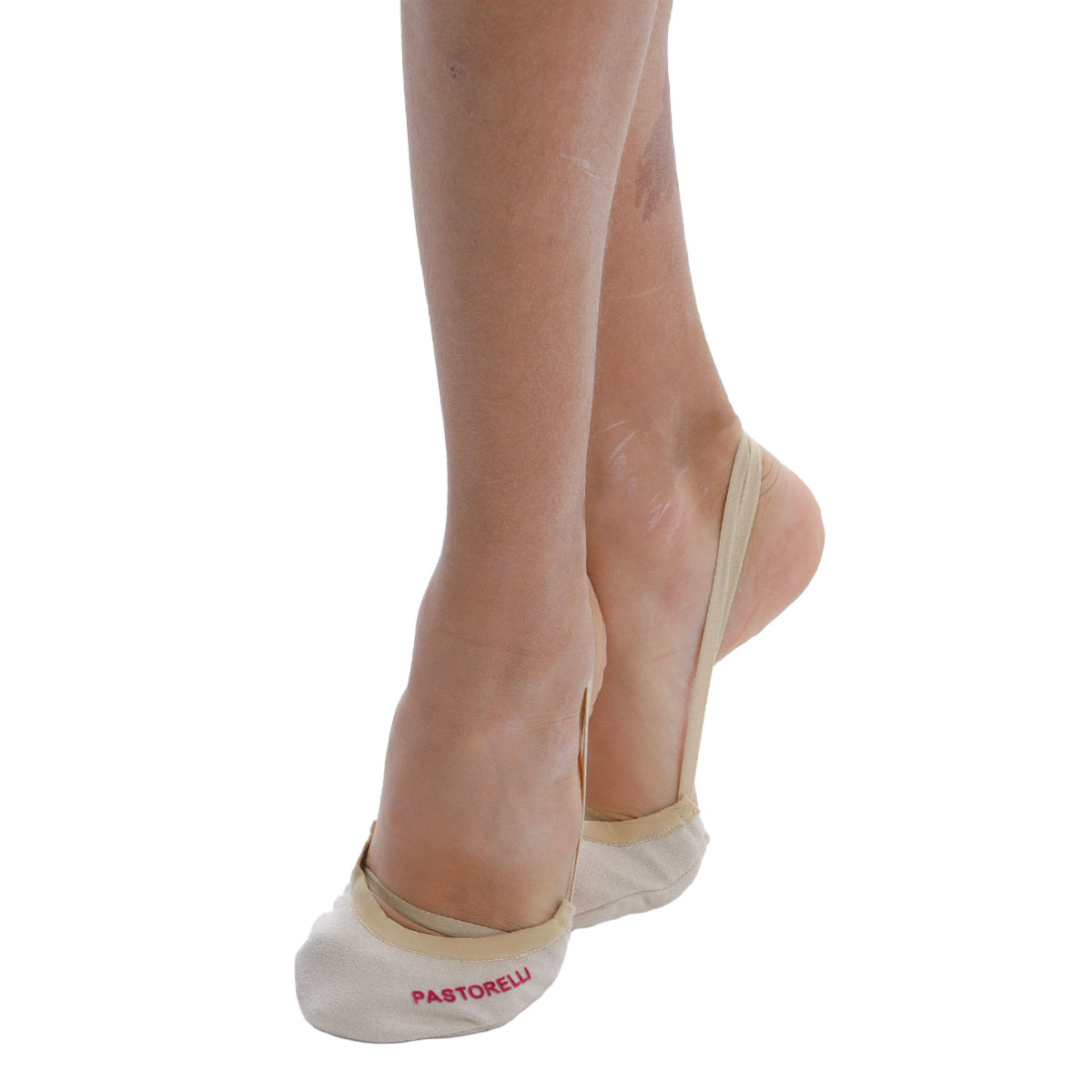
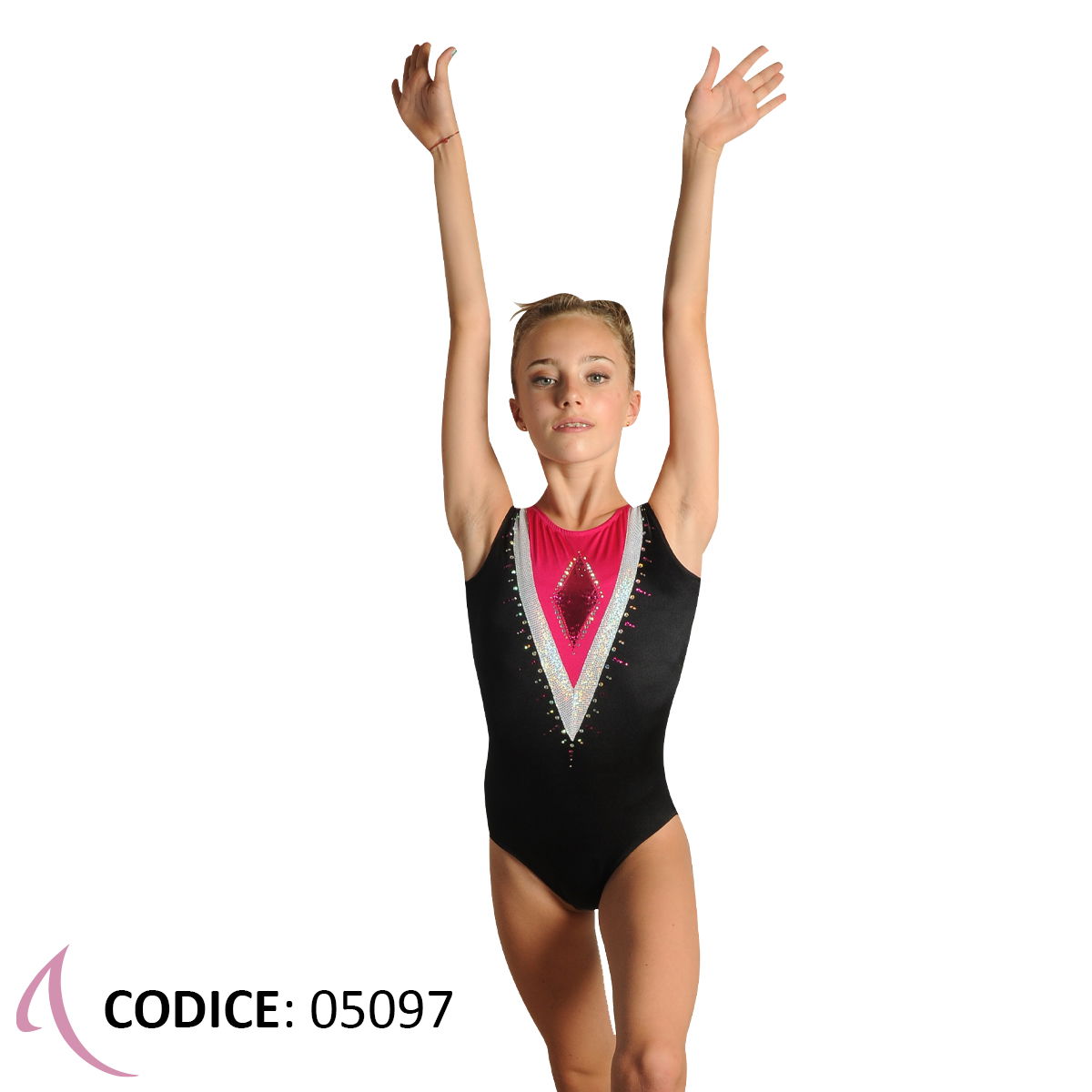
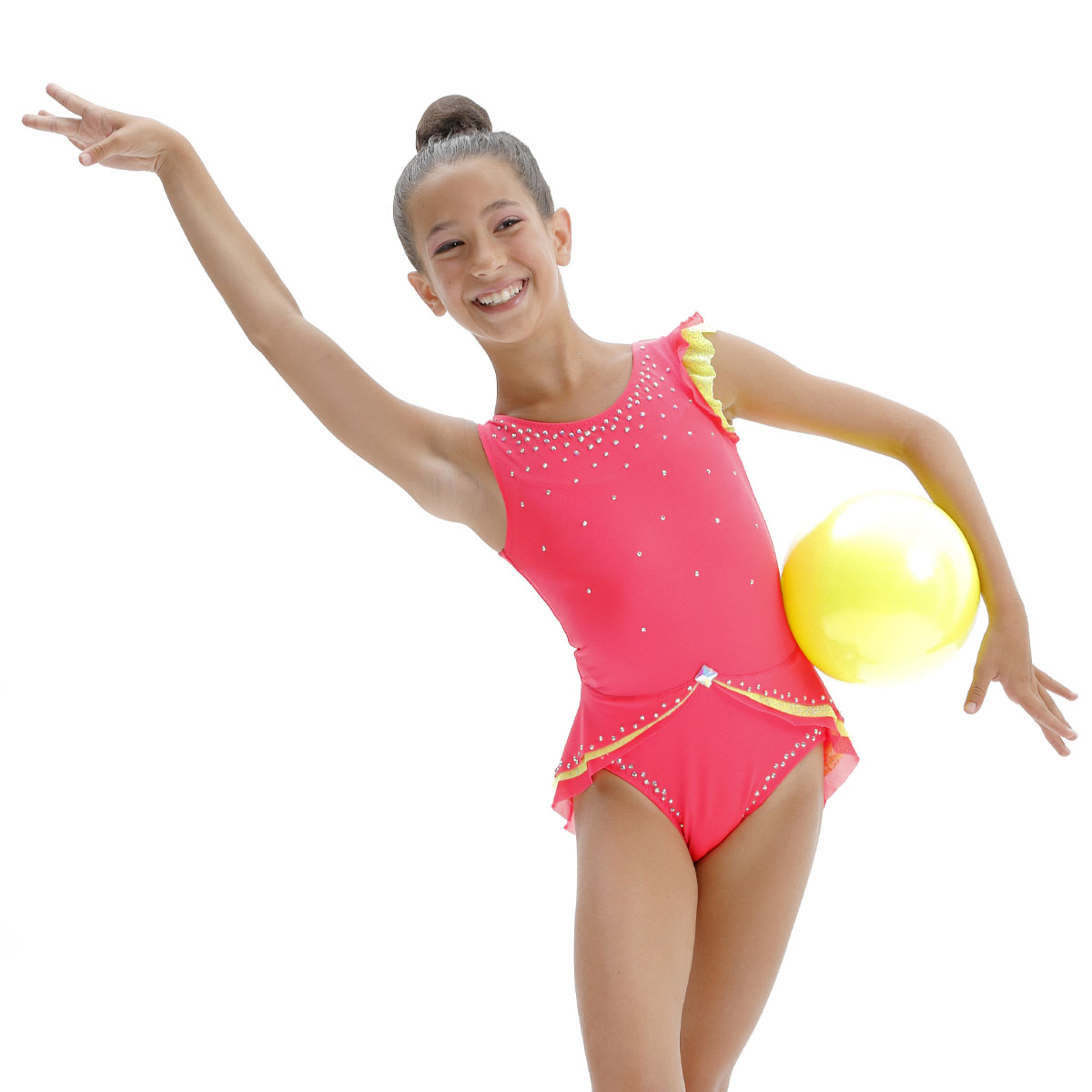
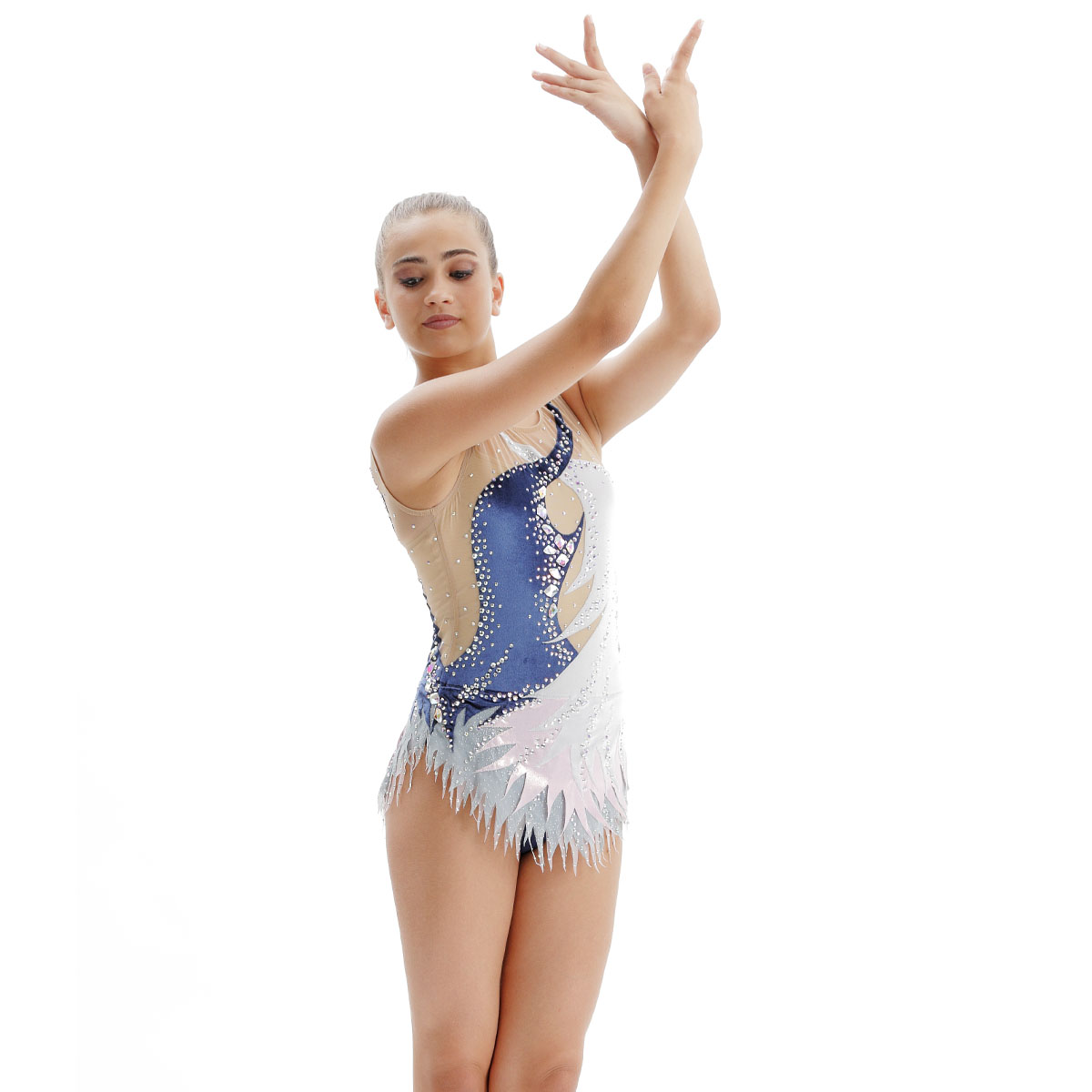
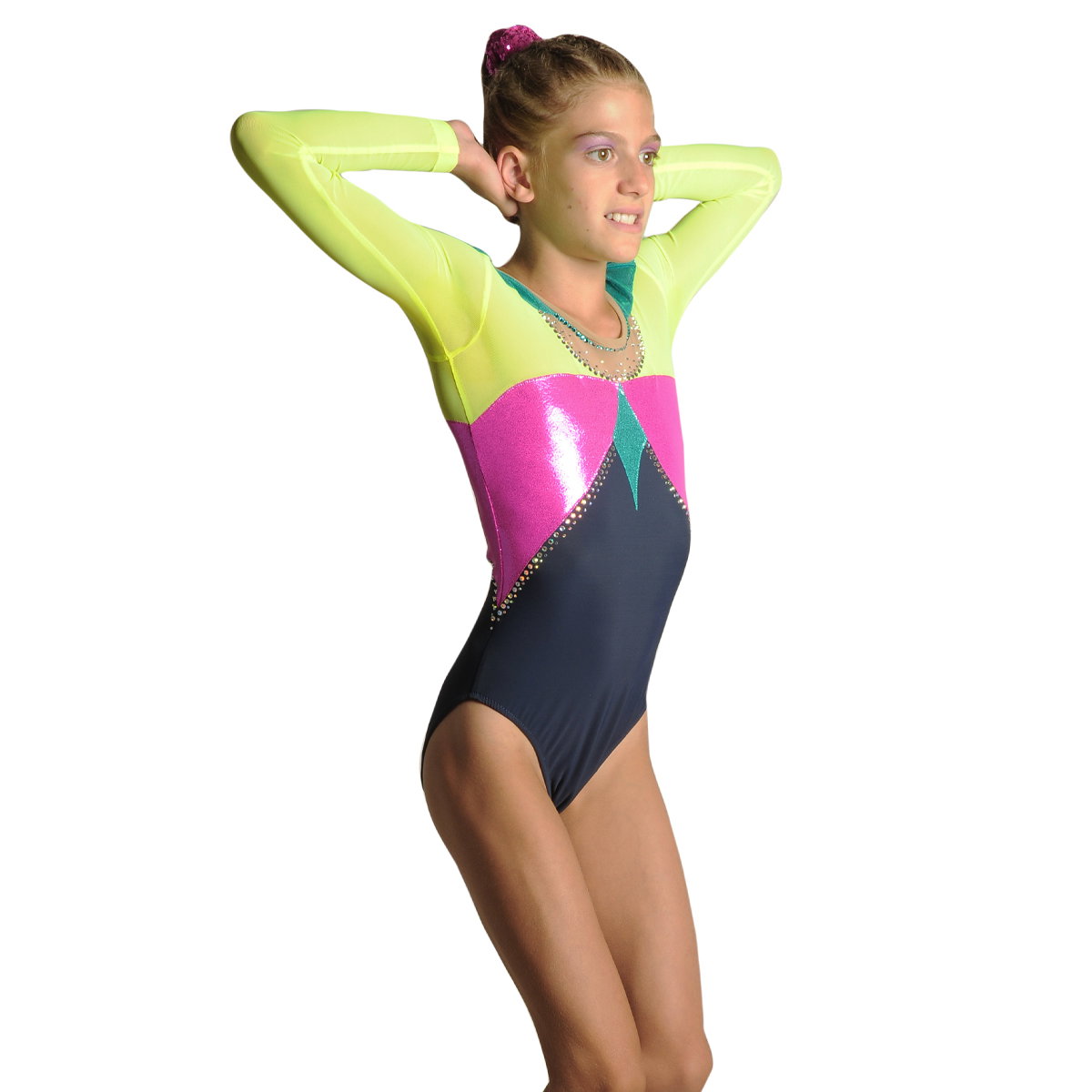
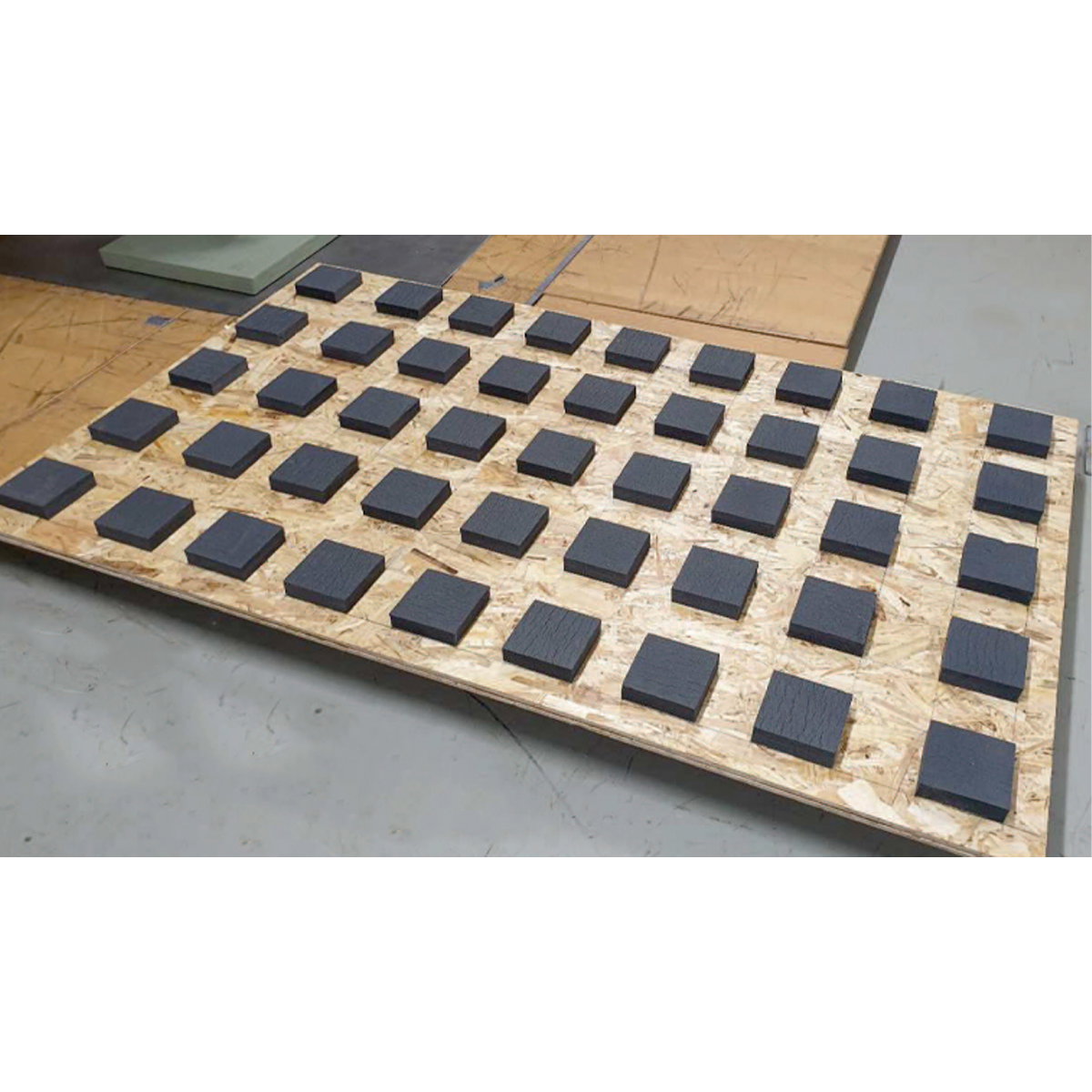
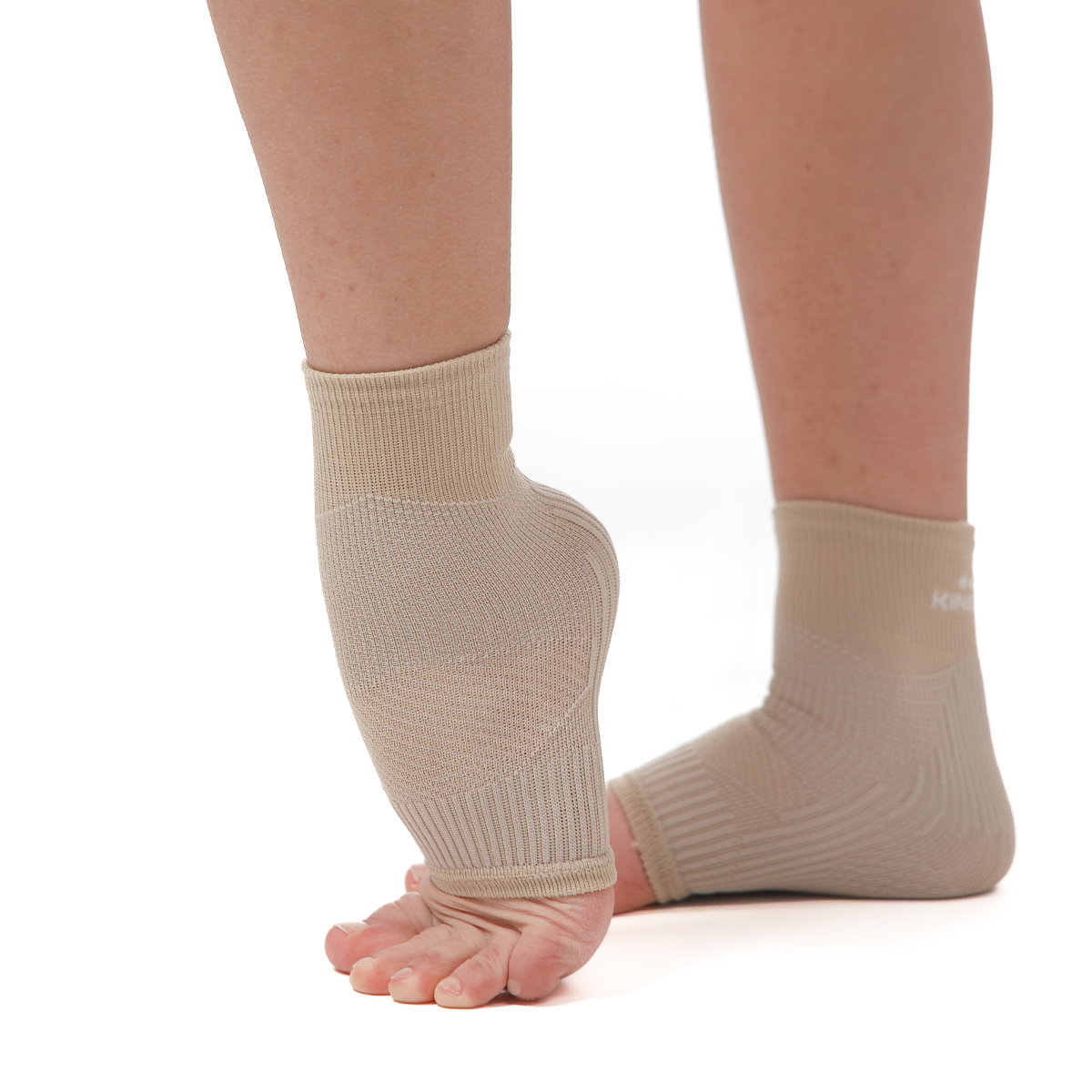
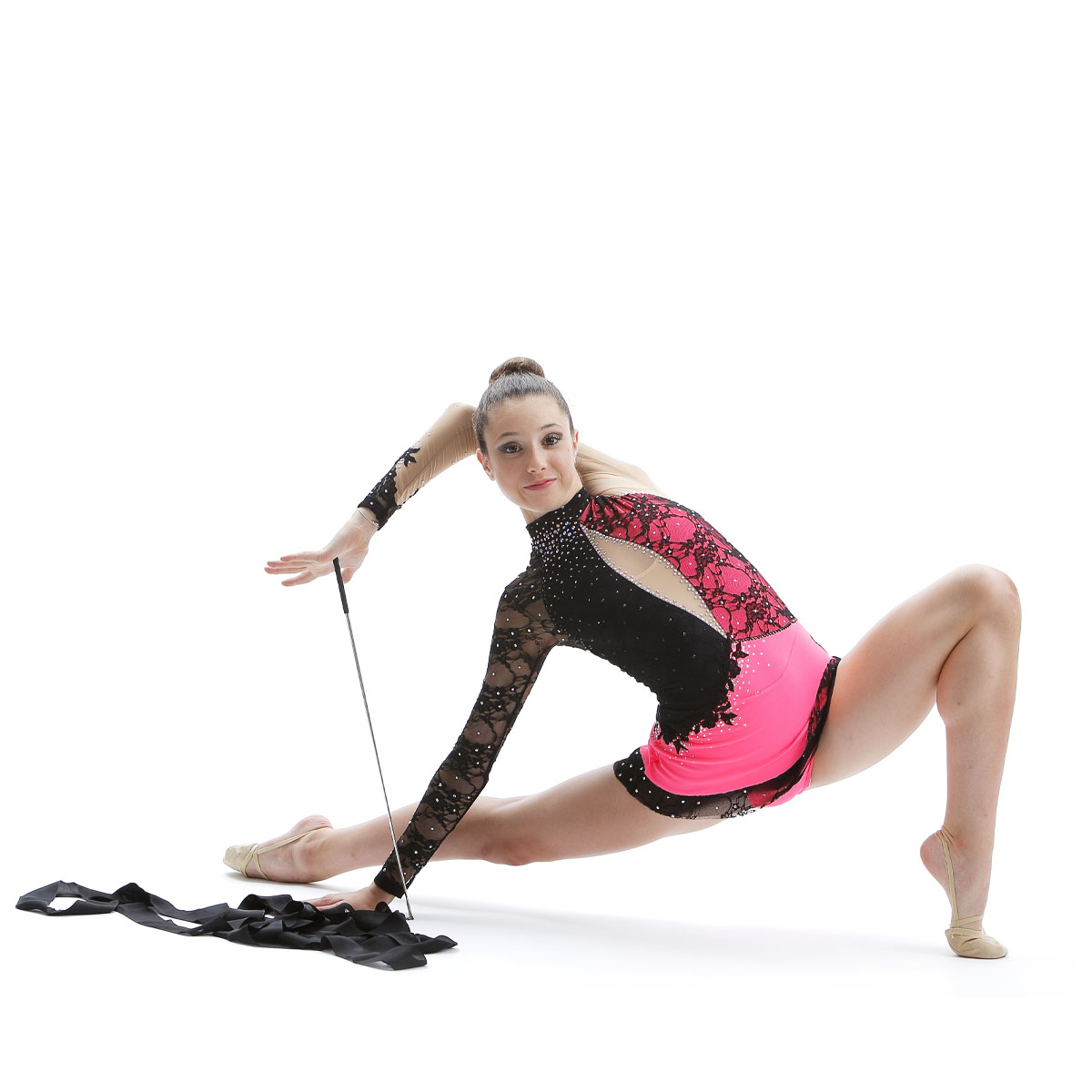
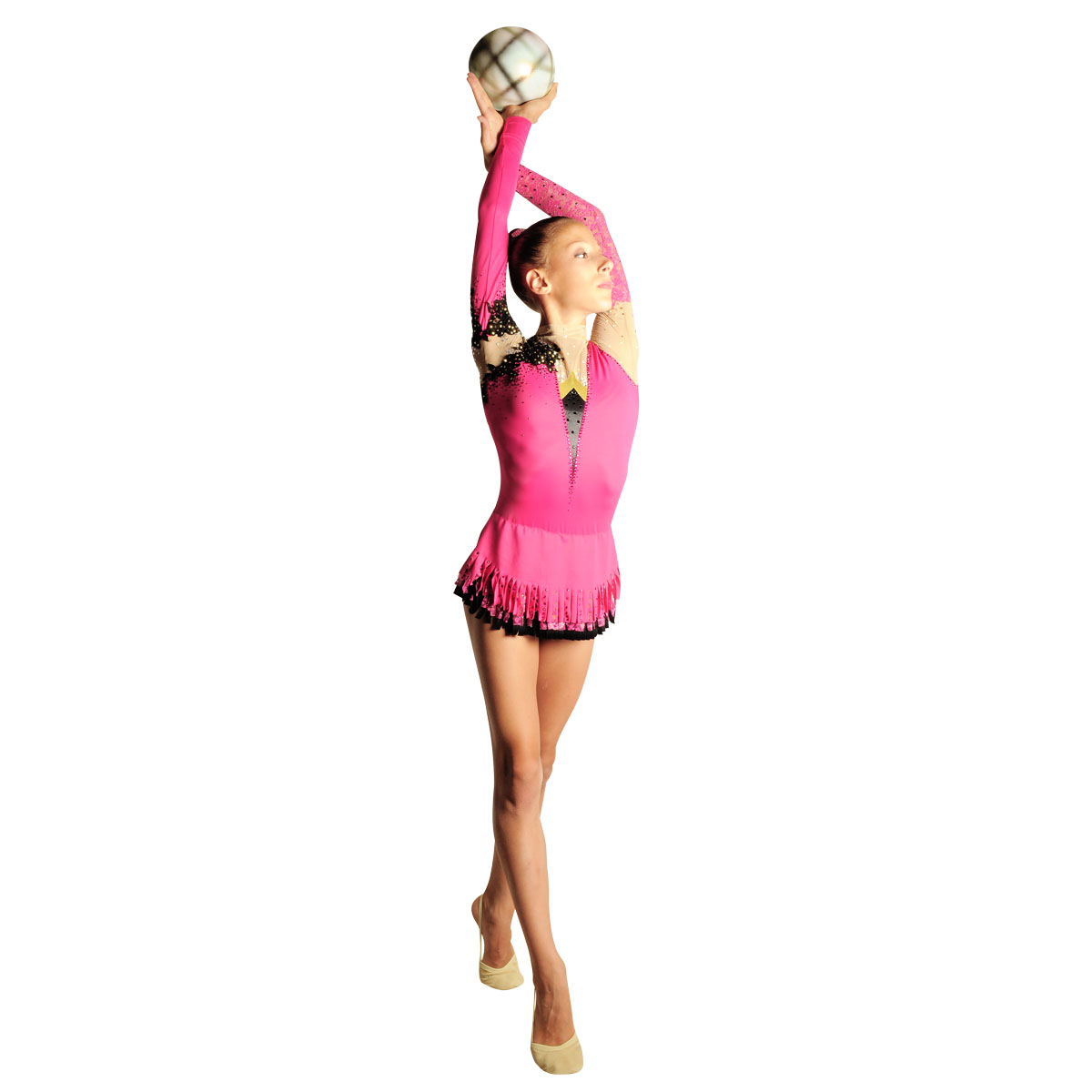
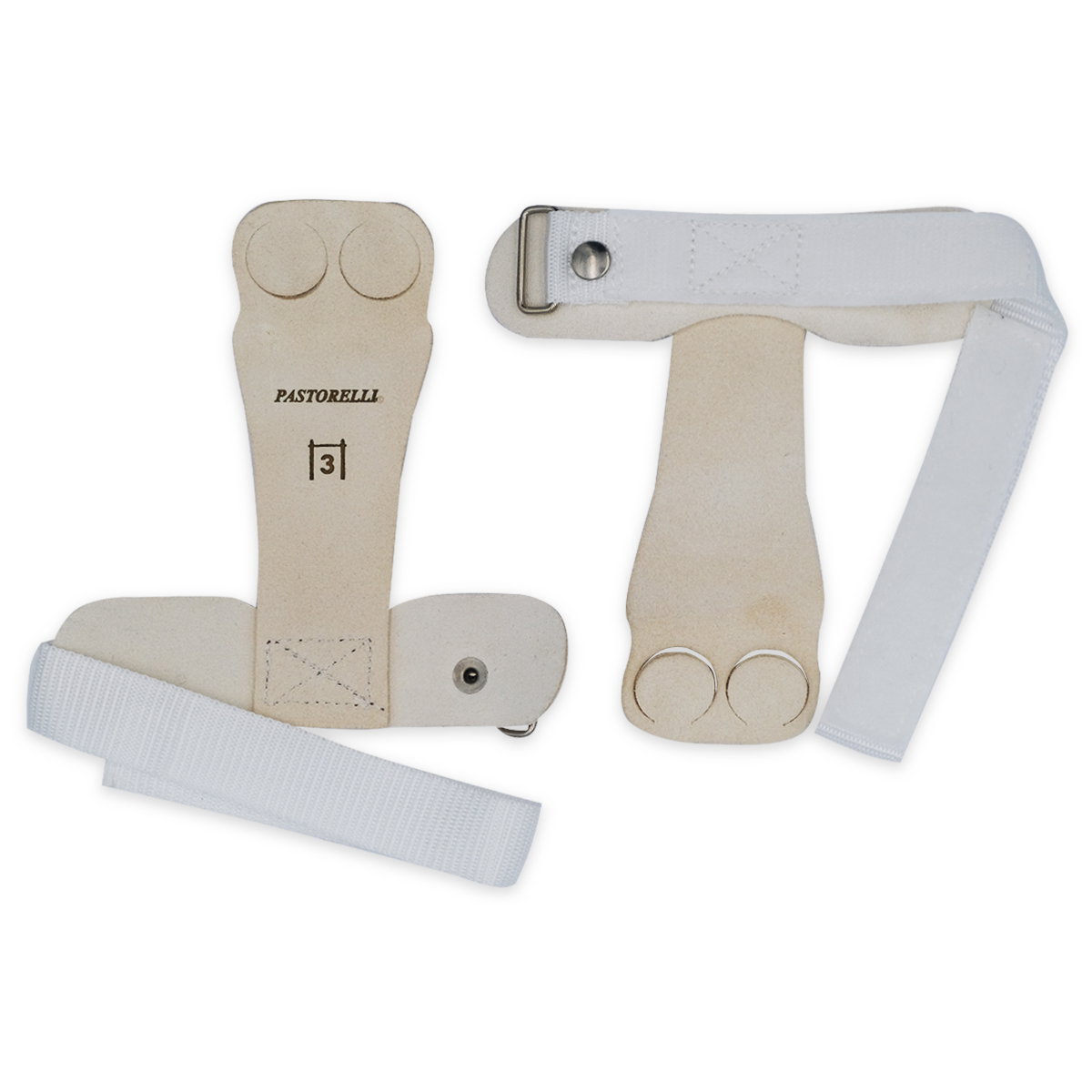
Discover artistic gymnastics with Pastorelli products: